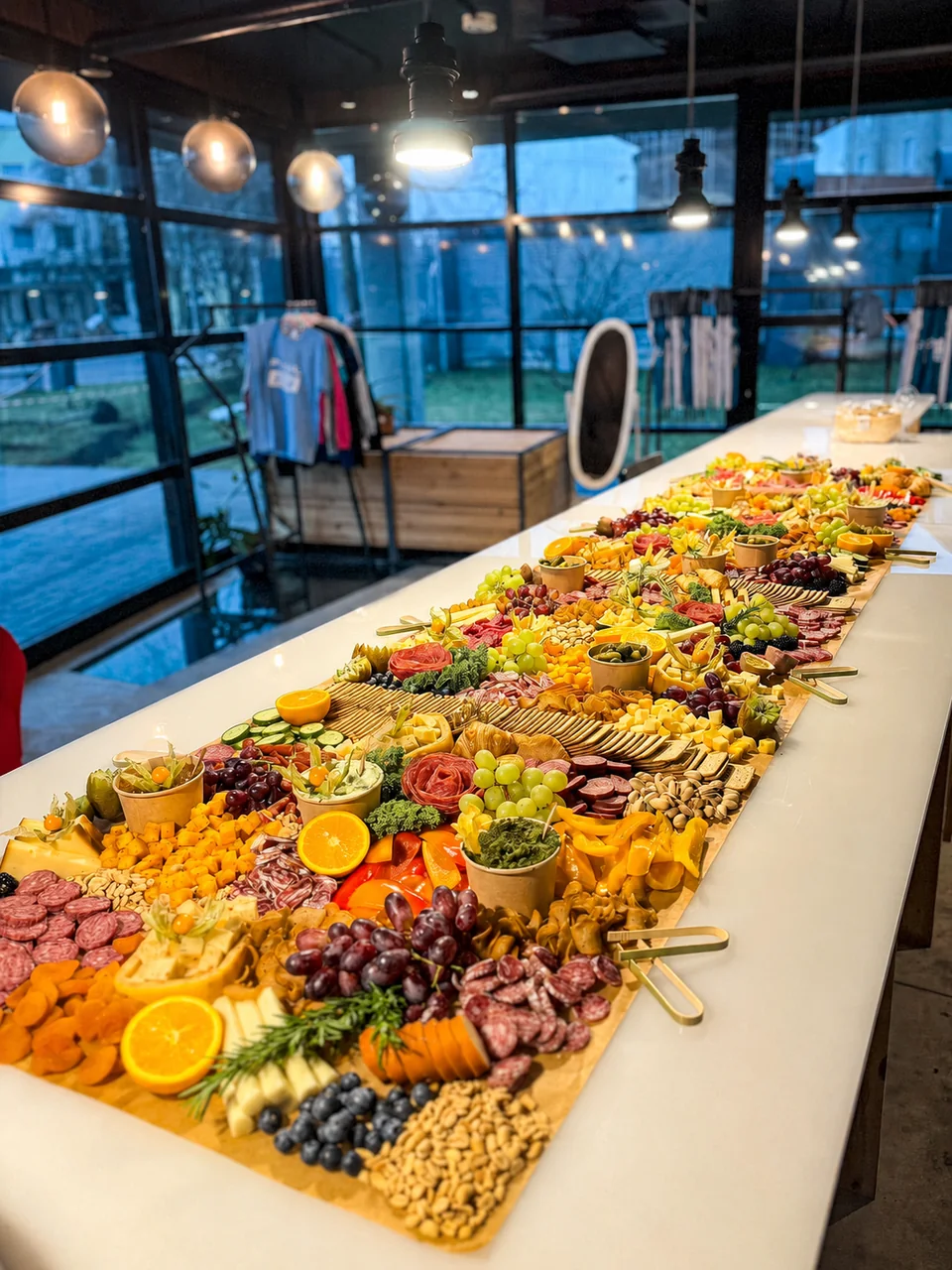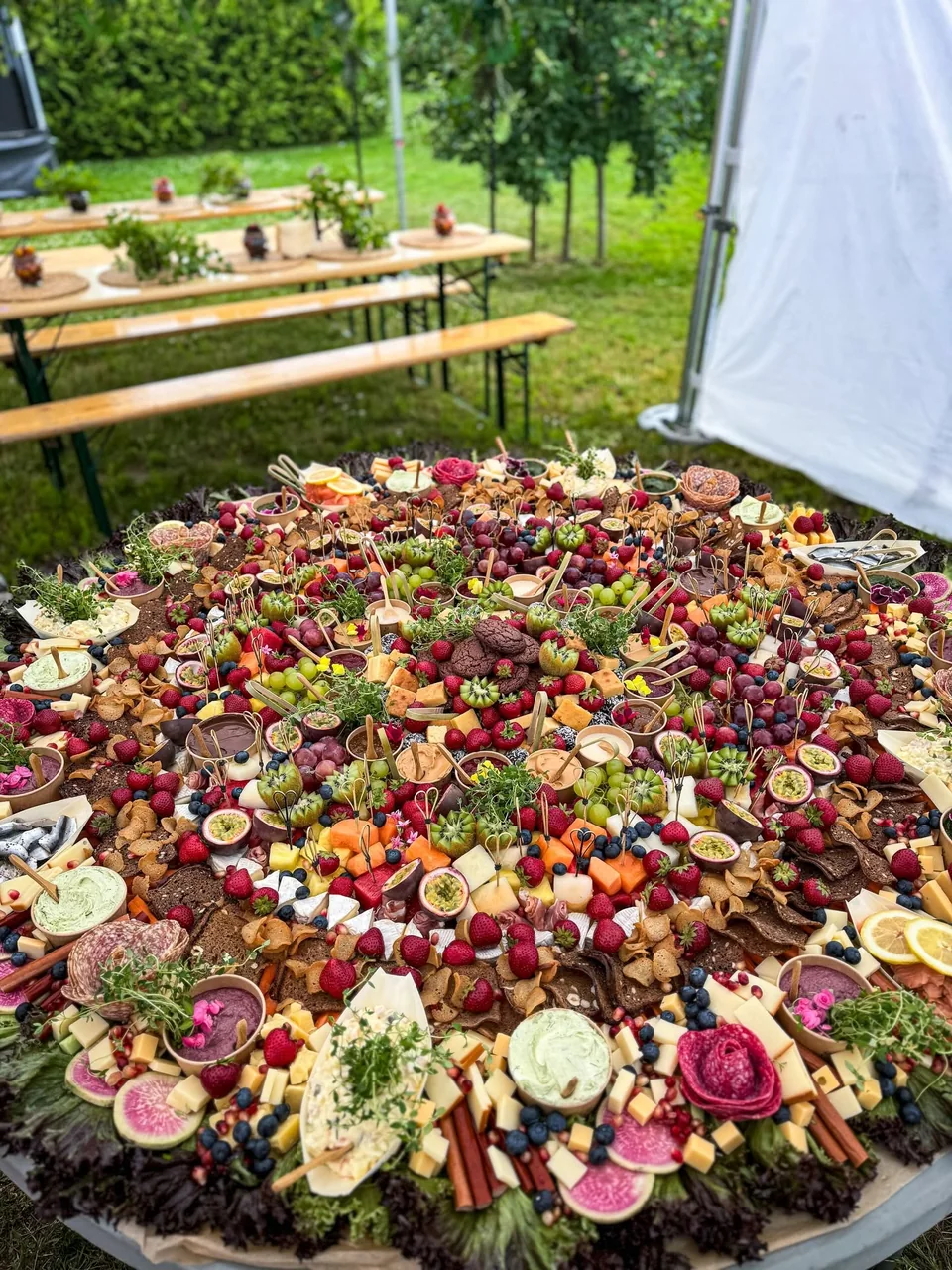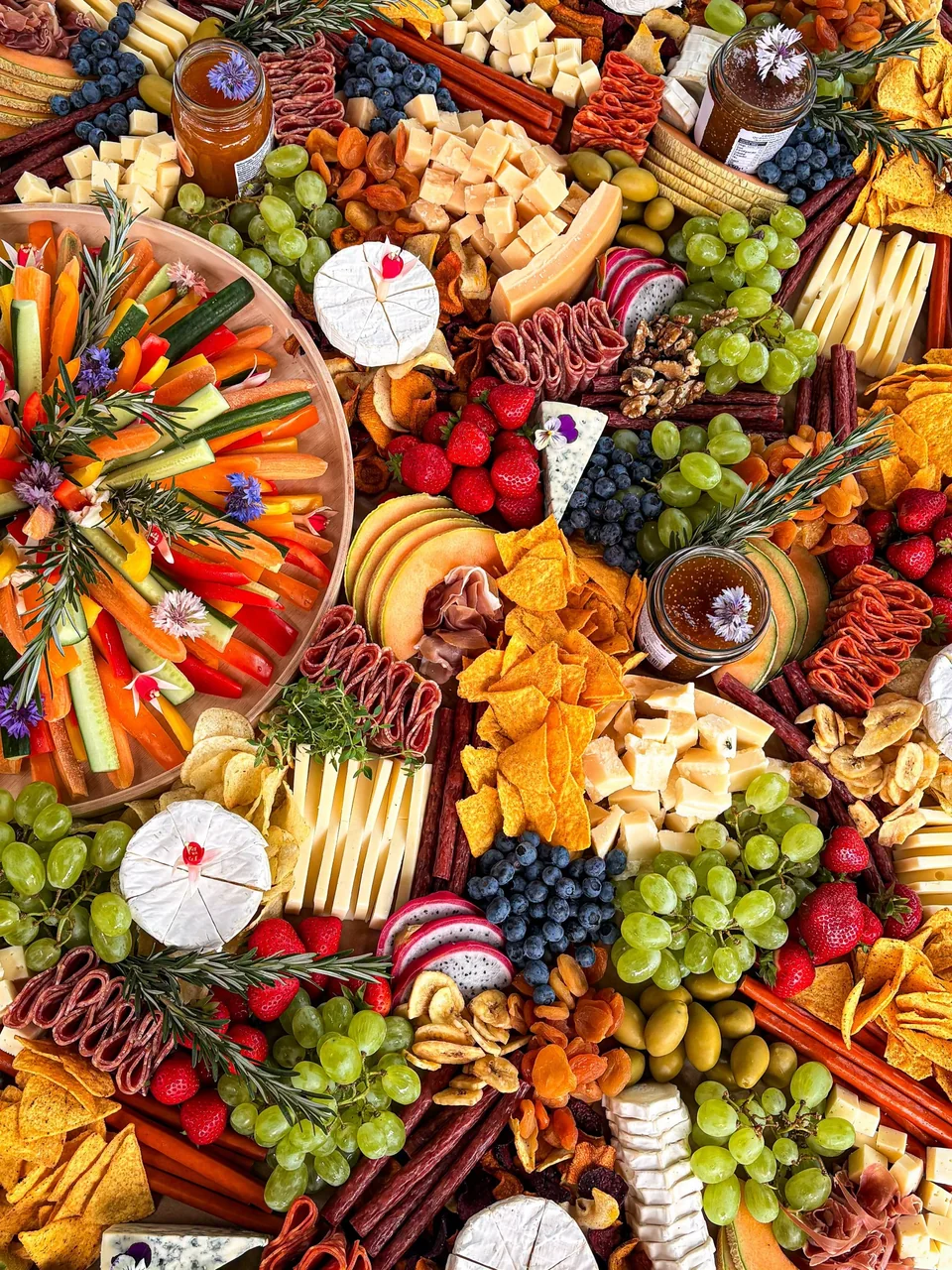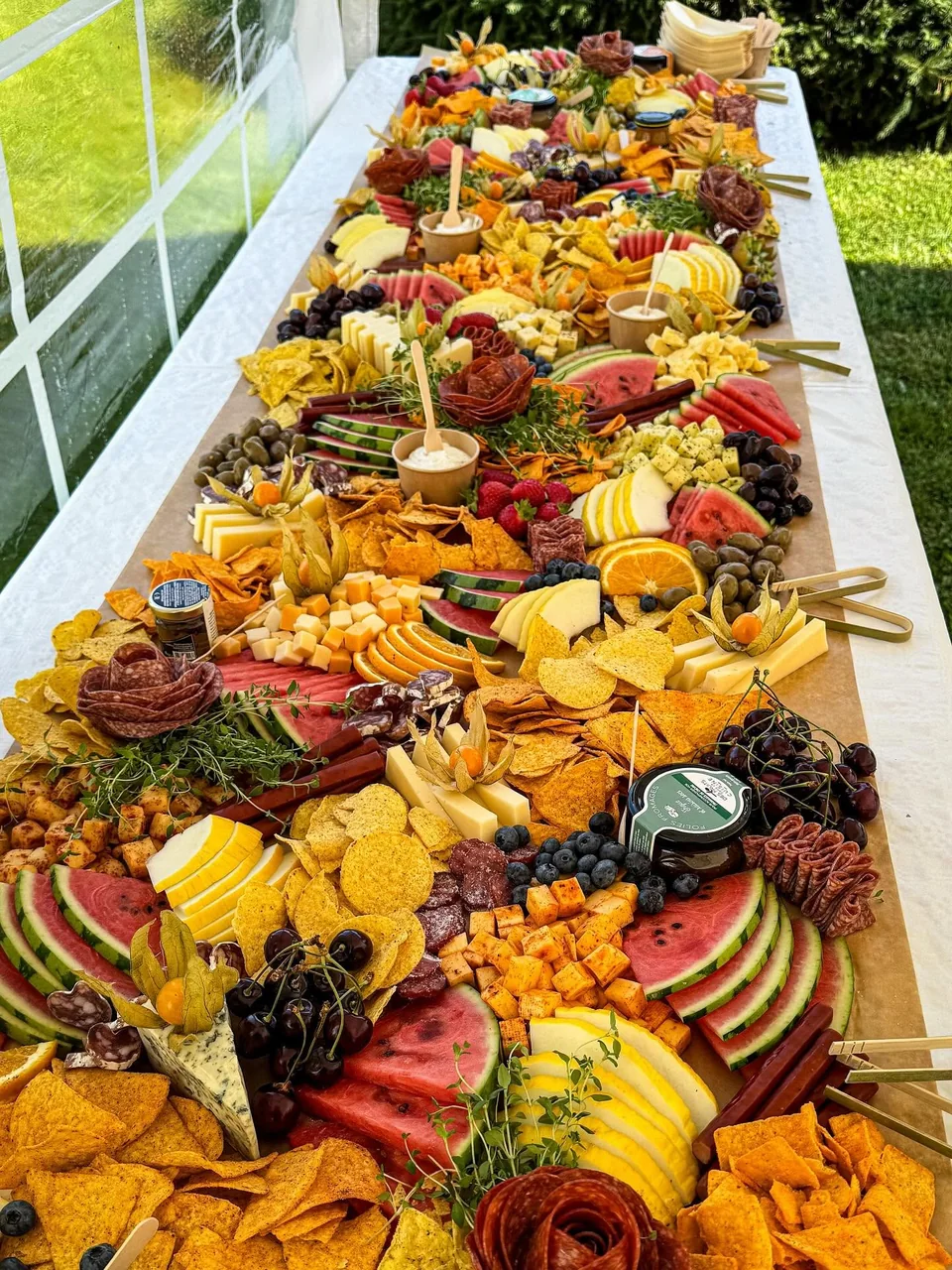
Outdoor Minnesota food planning needs both a weather plan and a food-safety plan. Confirm a shaded or temperature-controlled serving area, cold holding, wind and insect protection, stable ground, vendor access, hand and utensil needs, the service window, and a protected backup location before the event.
What matters most
Use the protected backup early enough to avoid moving a finished food display in bad weather
Use the protected backup early enough to avoid moving a finished food display in bad weather. Use current public-health guidance and the provider's documented event plan rather than judging food only by appearance.
Cold perishable food should remain at safe temperature until service and within current time limits once displayed
Cold perishable food should remain at safe temperature until service and within current time limits once displayed. If the safe condition cannot be maintained, change the timing, controls, or menu.
Direct sun can create a different condition from the reported air temperature
Direct sun can create a different condition from the reported air temperature. The host, venue, and provider should know who monitors the service window.
Wind affects labels, linens, lightweight serving items, and exposed foods
Wind affects labels, linens, lightweight serving items, and exposed foods. Use current public-health guidance and the provider's documented event plan rather than judging food only by appearance.
Identify who has authority to move the event indoors
Identify who has authority to move the event indoors. If the safe condition cannot be maintained, change the timing, controls, or menu.
Planning sequence
Use the questions below in order. The answers create a service brief that a venue, host, planner, and food provider can all understand.
- What is the shade and temperature-control plan? Use the protected backup early enough to avoid moving a finished food display in bad weather. If the safe condition cannot be maintained, change the timing, controls, or menu.
- Where is the protected backup? Cold perishable food should remain at safe temperature until service and within current time limits once displayed. The host, venue, and provider should know who monitors the service window.
- How will wind and insects be managed? Direct sun can create a different condition from the reported air temperature. Use current public-health guidance and the provider's documented event plan rather than judging food only by appearance.
- How long is active food service? Wind affects labels, linens, lightweight serving items, and exposed foods. If the safe condition cannot be maintained, change the timing, controls, or menu.
- Who monitors conditions? Identify who has authority to move the event indoors. The host, venue, and provider should know who monitors the service window.
Planning a Minnesota event?
Pretty Arrangements prepares, delivers, and completely styles premium grazing tables on-site. Share the date, location, guest count, food role, and time guests arrive to request a custom proposal.
Explore the relevant serviceHow this applies in Minnesota
Minnesota weather can change quickly between indoor and outdoor service. Use current food-safety guidance and choose a setup that keeps the food protected throughout the event.
For an event at a venue, ask where we should enter, when the room is available, and where the table will be placed.
Common planning mistakes
- Using appearance or smell as the safety test
- Treating a weather backup as optional
- Putting all perishable food out earlier than guests need it
The practical fix is to write down the address, event type, guest count, table location, dietary requests, and the time guests arrive.
Questions to ask before booking
What is the shade and temperature-control plan?
Use the protected backup early enough to avoid moving a finished food display in bad weather. Use current public-health guidance and the provider's documented event plan rather than judging food only by appearance.
Where is the protected backup?
Cold perishable food should remain at safe temperature until service and within current time limits once displayed. If the safe condition cannot be maintained, change the timing, controls, or menu.
How will wind and insects be managed?
Direct sun can create a different condition from the reported air temperature. The host, venue, and provider should know who monitors the service window.
How long is active food service?
Wind affects labels, linens, lightweight serving items, and exposed foods. Use current public-health guidance and the provider's documented event plan rather than judging food only by appearance.
Sources
- FDA — Handling Food Safely While Eating Outdoors — verified 2026-09-01
- FDA — Serving Up Safe Buffets — verified 2026-09-01
- Minnesota Department of Health — Keeping Food Safe During Buffets or Picnics — verified 2026-09-01
- Minnesota Department of Health — Food Business Fact Sheets — verified 2026-09-01
Food-safety and venue requirements may change. Confirm the current rule for the actual event.