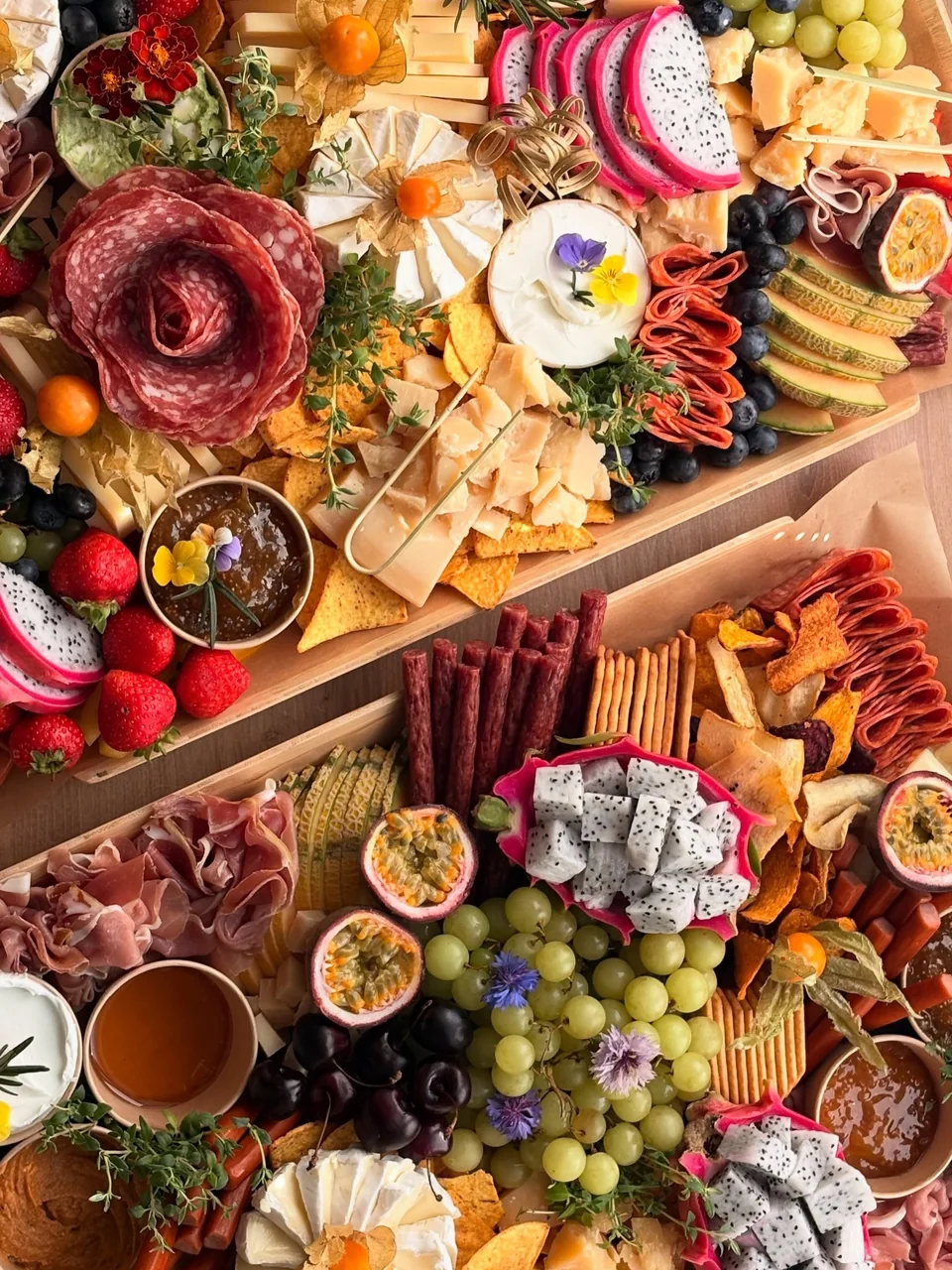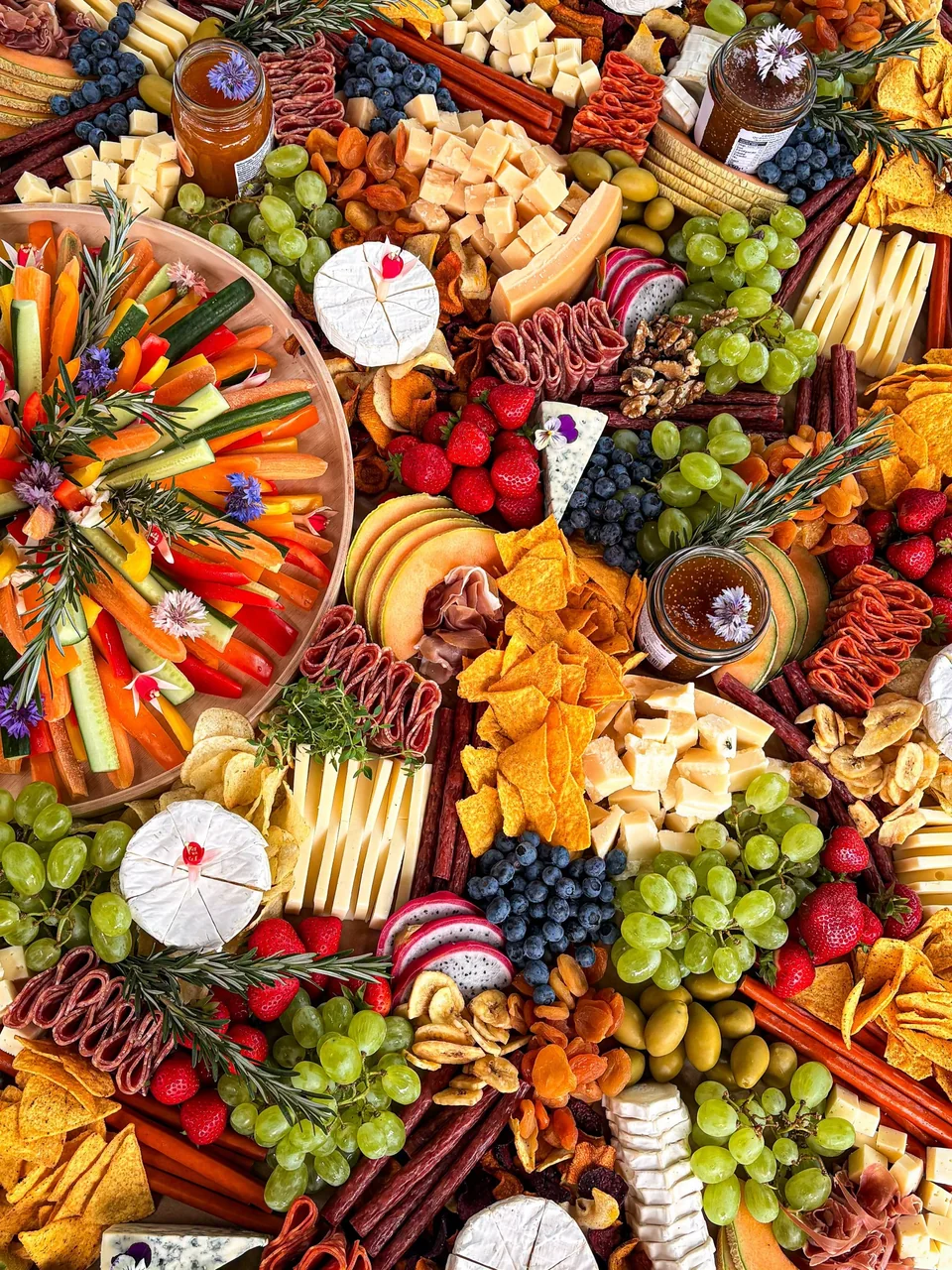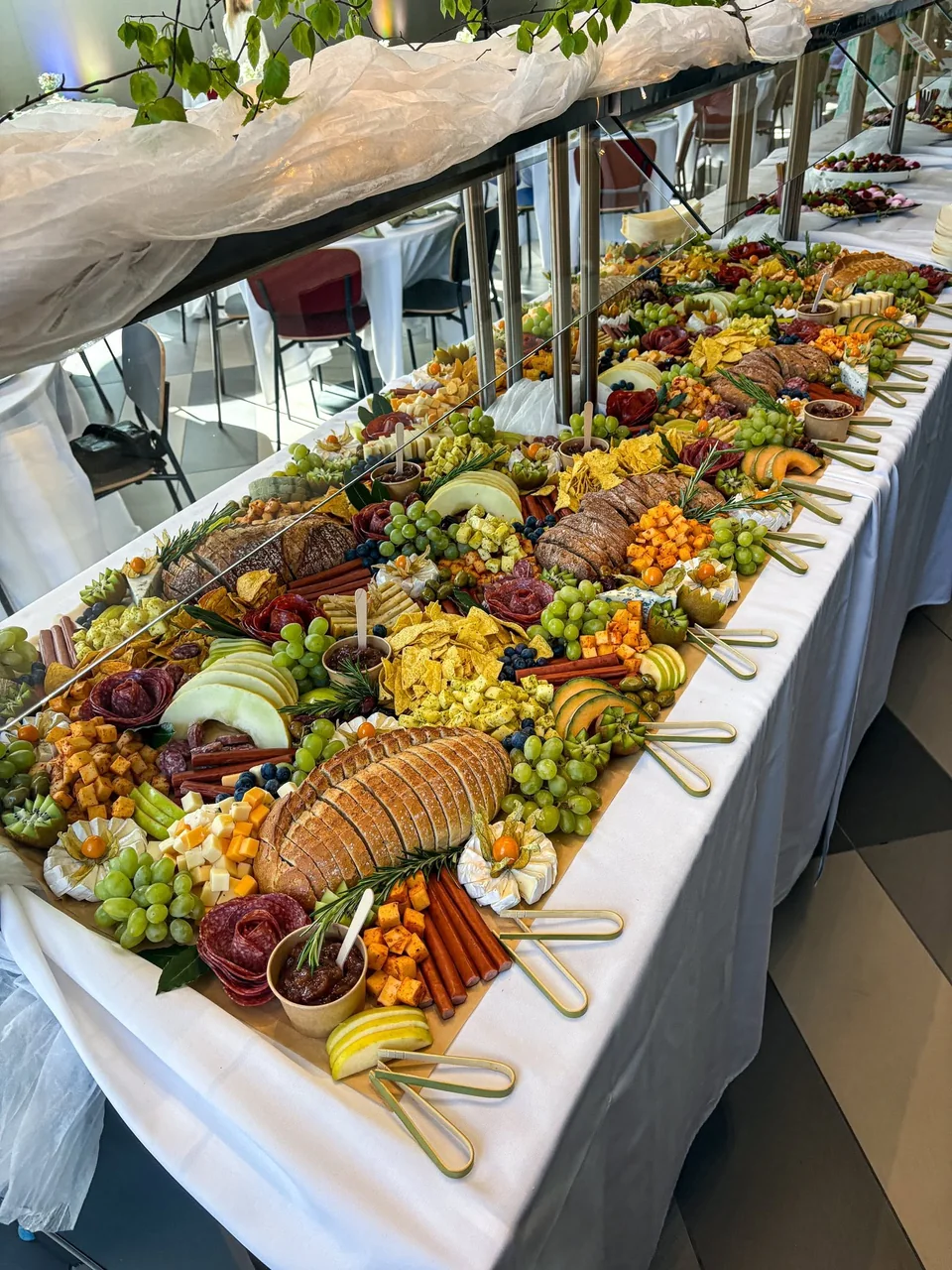
Start by separating preferences, intolerances, religious or ethical requirements, and medically significant allergies. Then ask the provider what can be accommodated and how ingredients are prepared, transported, labeled, and displayed. A shared grazing table can create cross-contact, so no allergen-free promise should be assumed unless the provider explicitly confirms it.
What matters most
Collect dietary information early enough to influence the menu rather than after it is finalized
Collect dietary information early enough to influence the menu rather than after it is finalized. Use current public-health guidance and the provider's documented event plan rather than judging food only by appearance.
Discuss cross-contact in preparation and again at the shared display
Discuss cross-contact in preparation and again at the shared display. If the safe condition cannot be maintained, change the timing, controls, or menu.
Use clear labels, dedicated utensils, or separately packaged portions when appropriate and actually supported
Use clear labels, dedicated utensils, or separately packaged portions when appropriate and actually supported. The host, venue, and provider should know who monitors the service window.
Do not describe a table as allergen-free merely because one ingredient was omitted
Do not describe a table as allergen-free merely because one ingredient was omitted. Use current public-health guidance and the provider's documented event plan rather than judging food only by appearance.
Give guests with severe allergies the provider's confirmed information so they can make an informed decision
Give guests with severe allergies the provider's confirmed information so they can make an informed decision. If the safe condition cannot be maintained, change the timing, controls, or menu.
Planning sequence
Use the questions below in order. The answers create a service brief that a venue, host, planner, and food provider can all understand.
- Which needs are preferences and which are medical? Collect dietary information early enough to influence the menu rather than after it is finalized. If the safe condition cannot be maintained, change the timing, controls, or menu.
- Can items be prepared or served separately? Discuss cross-contact in preparation and again at the shared display. The host, venue, and provider should know who monitors the service window.
- How will foods and utensils be labeled? Use clear labels, dedicated utensils, or separately packaged portions when appropriate and actually supported. Use current public-health guidance and the provider's documented event plan rather than judging food only by appearance.
- What cross-contact limitations must be communicated? Do not describe a table as allergen-free merely because one ingredient was omitted. If the safe condition cannot be maintained, change the timing, controls, or menu.
Planning a Minnesota event?
Pretty Arrangements prepares, delivers, and completely styles premium grazing tables on-site. Share the date, location, guest count, food role, and time guests arrive to request a custom proposal.
Explore the relevant serviceHow this applies in Minnesota
Minnesota weather can change quickly between indoor and outdoor service. Use current food-safety guidance and choose a setup that keeps the food protected throughout the event.
For an event at a venue, ask where we should enter, when the room is available, and where the table will be placed.
Common planning mistakes
- Using appearance or smell as the safety test
- Treating a weather backup as optional
- Putting all perishable food out earlier than guests need it
The practical fix is to write down the address, event type, guest count, table location, dietary requests, and the time guests arrive.
Questions to ask before booking
Which needs are preferences and which are medical?
Collect dietary information early enough to influence the menu rather than after it is finalized. Use current public-health guidance and the provider's documented event plan rather than judging food only by appearance.
Can items be prepared or served separately?
Discuss cross-contact in preparation and again at the shared display. If the safe condition cannot be maintained, change the timing, controls, or menu.
How will foods and utensils be labeled?
Use clear labels, dedicated utensils, or separately packaged portions when appropriate and actually supported. The host, venue, and provider should know who monitors the service window.
What cross-contact limitations must be communicated?
Do not describe a table as allergen-free merely because one ingredient was omitted. Use current public-health guidance and the provider's documented event plan rather than judging food only by appearance.
Sources
- Minnesota Department of Health — Prevent Cross-Contamination — verified 2026-09-01
- Minnesota Department of Health — Food Business Fact Sheets — verified 2026-09-01
Food-safety and venue requirements may change. Confirm the current rule for the actual event.