A complete event brief contains the date, complete address, venue or property type, event purpose, guest-count range, food role, other food, dietary needs, arrival pattern, usable surface, access conditions, setup window, and time guests arrive. Sending these together reduces assumptions and makes the first proposal more useful.
What matters most
Use the complete service address, not only a city or venue name
Use the complete service address, not only a city or venue name. That choice changes the size and shape of the table.
Describe what guests should believe the table is providing
Describe what guests should believe the table is providing. Include it in the inquiry so the proposal fits the event.
Separate invited guests, expected attendance, and peak simultaneous attendance when they differ
Separate invited guests, expected attendance, and peak simultaneous attendance when they differ. Work it out before choosing the menu and timing.
List every other food and beverage service that affects the table's role
List every other food and beverage service that affects the table's role. It is more useful than relying on a generic serving or table-size formula.
Identify what is confirmed, tentative, and still awaiting venue approval
Identify what is confirmed, tentative, and still awaiting venue approval. That choice changes the size and shape of the table.
Planning sequence
Use the questions below in order. The answers create a service brief that a venue, host, planner, and food provider can all understand.
- What is confirmed today? Use the complete service address, not only a city or venue name. Include it in the inquiry so the proposal fits the event.
- What role does the food play? Describe what guests should believe the table is providing. Work it out before choosing the menu and timing.
- How do guests arrive? Separate invited guests, expected attendance, and peak simultaneous attendance when they differ. It is more useful than relying on a generic serving or table-size formula.
- Which access details remain unresolved? List every other food and beverage service that affects the table's role. That choice changes the size and shape of the table.
Planning a Minnesota event?
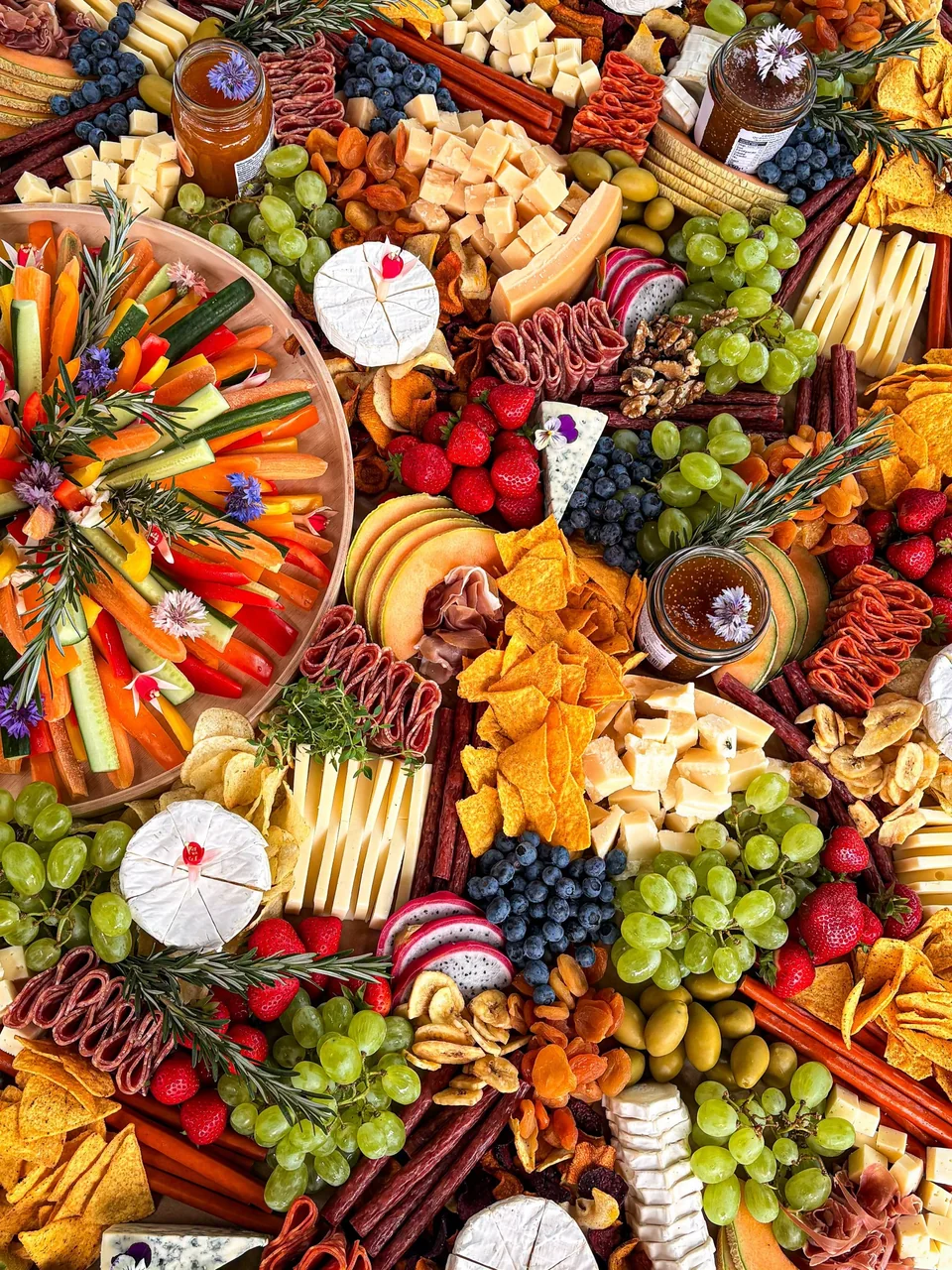
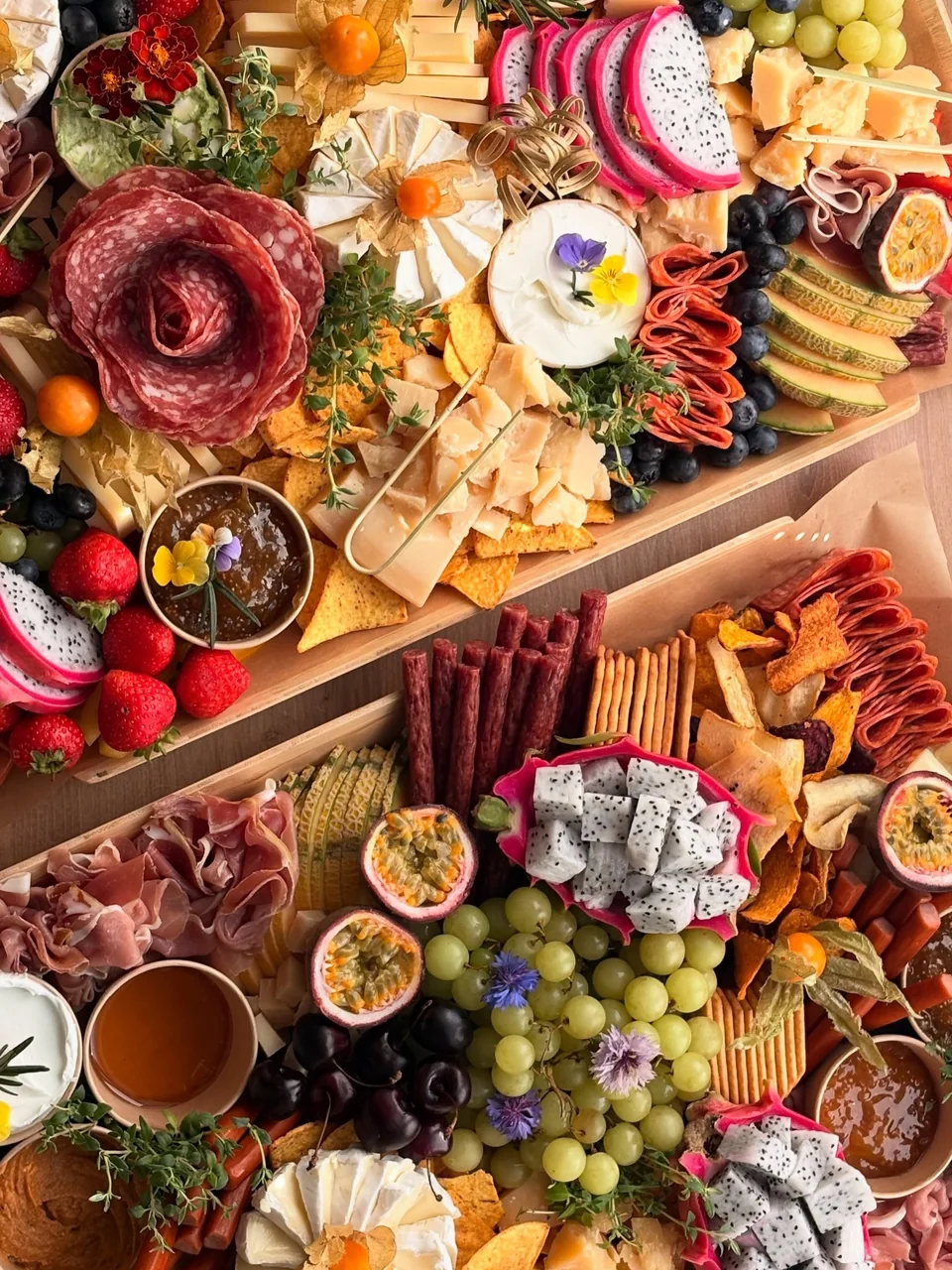
Pretty Arrangements prepares, delivers, and completely styles premium grazing tables on-site. Share the date, location, guest count, food role, and time guests arrive to request a custom proposal.
Explore the relevant serviceHow this applies in Minnesota
Minnesota events take place in homes, offices, hotels, historic venues, modern event rooms, and outdoor settings. Share the exact address and setting so delivery and on-site styling can be planned around the real space.
For an event at a venue, ask where we should enter, when the room is available, and where the table will be placed.
Common planning mistakes
- Sizing from guest count without explaining the food role
- Treating the event start as the setup deadline
- Requesting a quote before confirming the address and venue
The practical fix is to write down the address, event type, guest count, table location, dietary requests, and the time guests arrive.
Questions to ask before booking
What is confirmed today?
Use the complete service address, not only a city or venue name. That choice changes the size and shape of the table.
What role does the food play?
Describe what guests should believe the table is providing. Include it in the inquiry so the proposal fits the event.
How do guests arrive?
Separate invited guests, expected attendance, and peak simultaneous attendance when they differ. Work it out before choosing the menu and timing.
Which access details remain unresolved?
List every other food and beverage service that affects the table's role. It is more useful than relying on a generic serving or table-size formula.