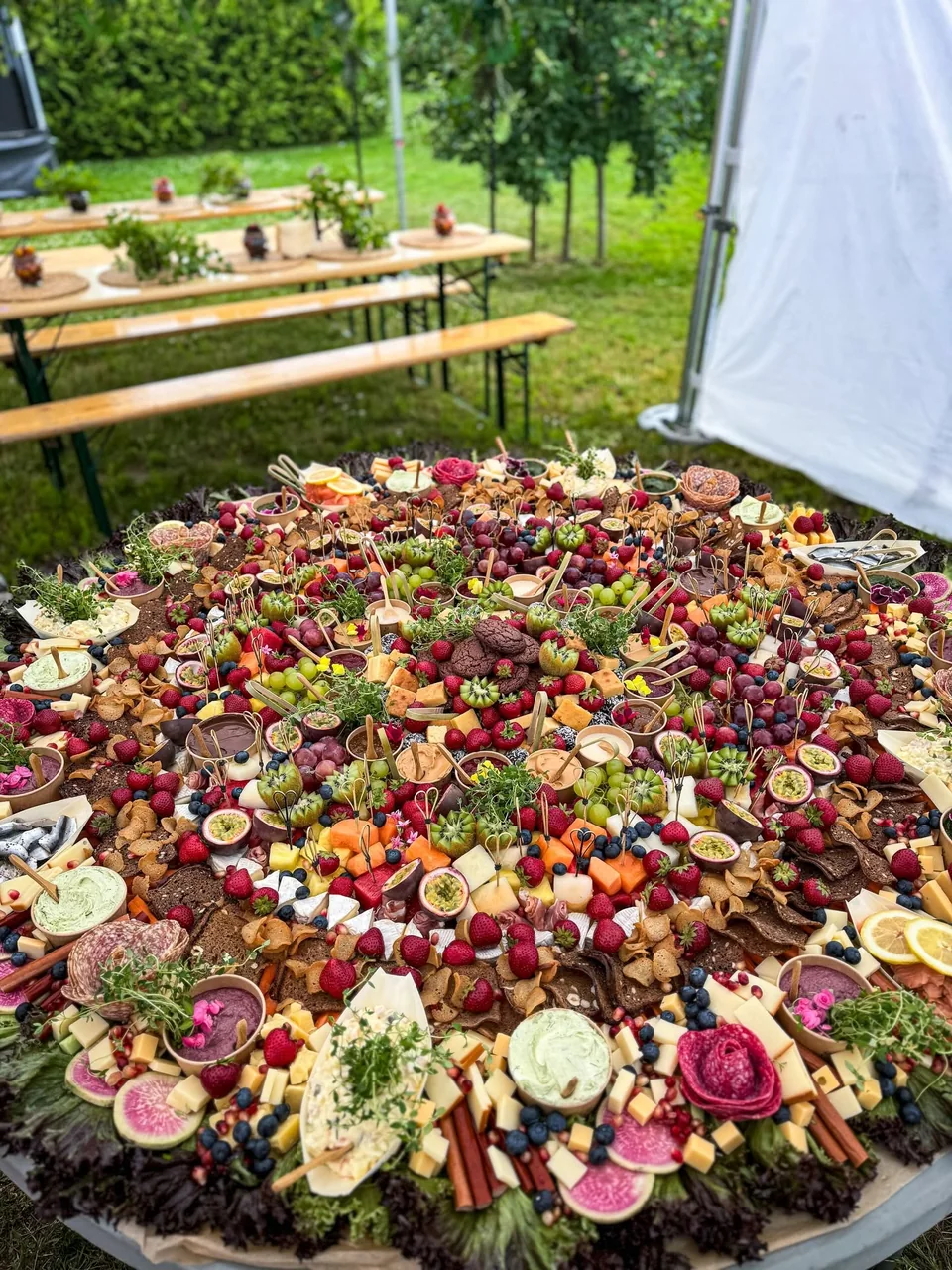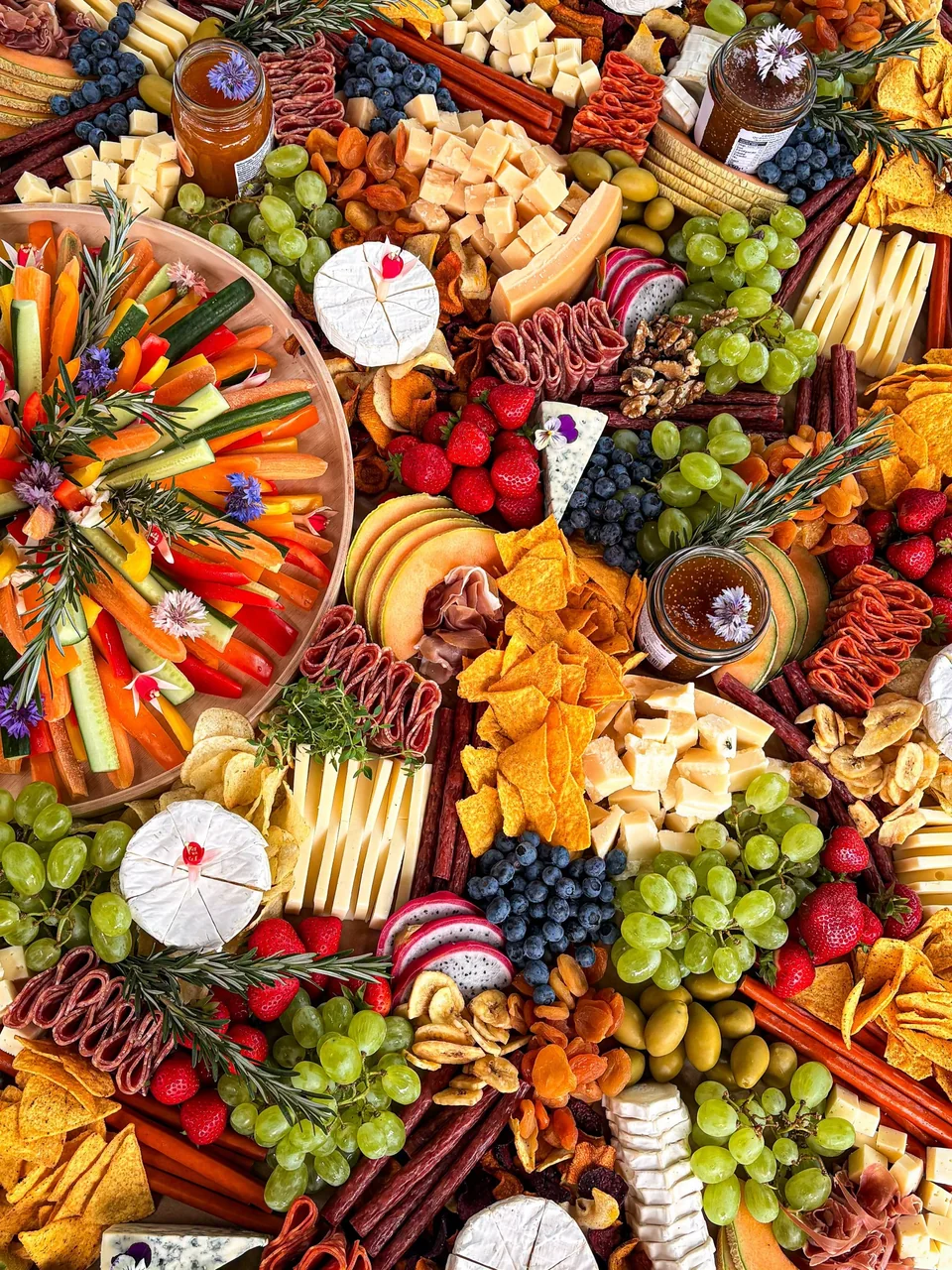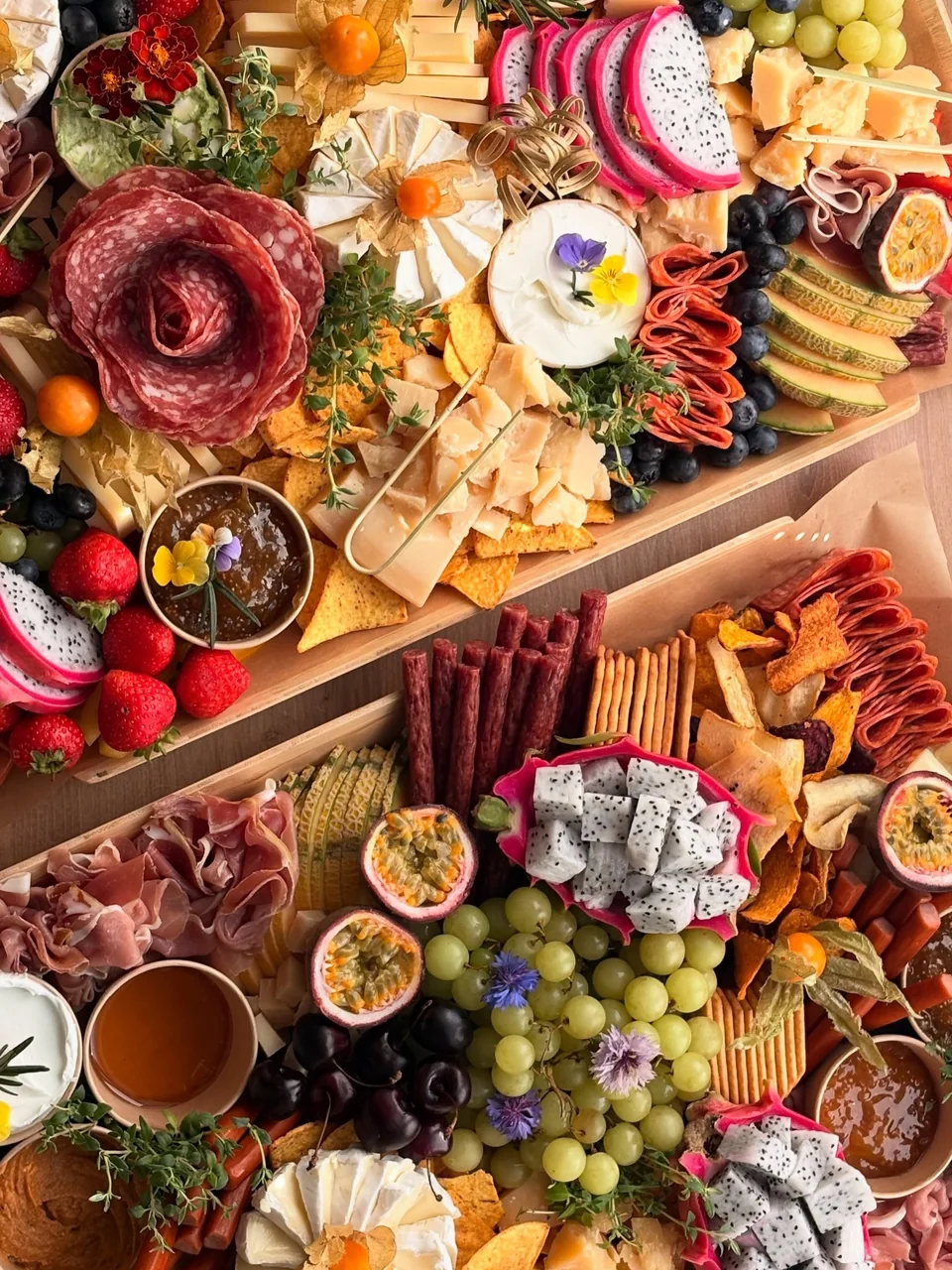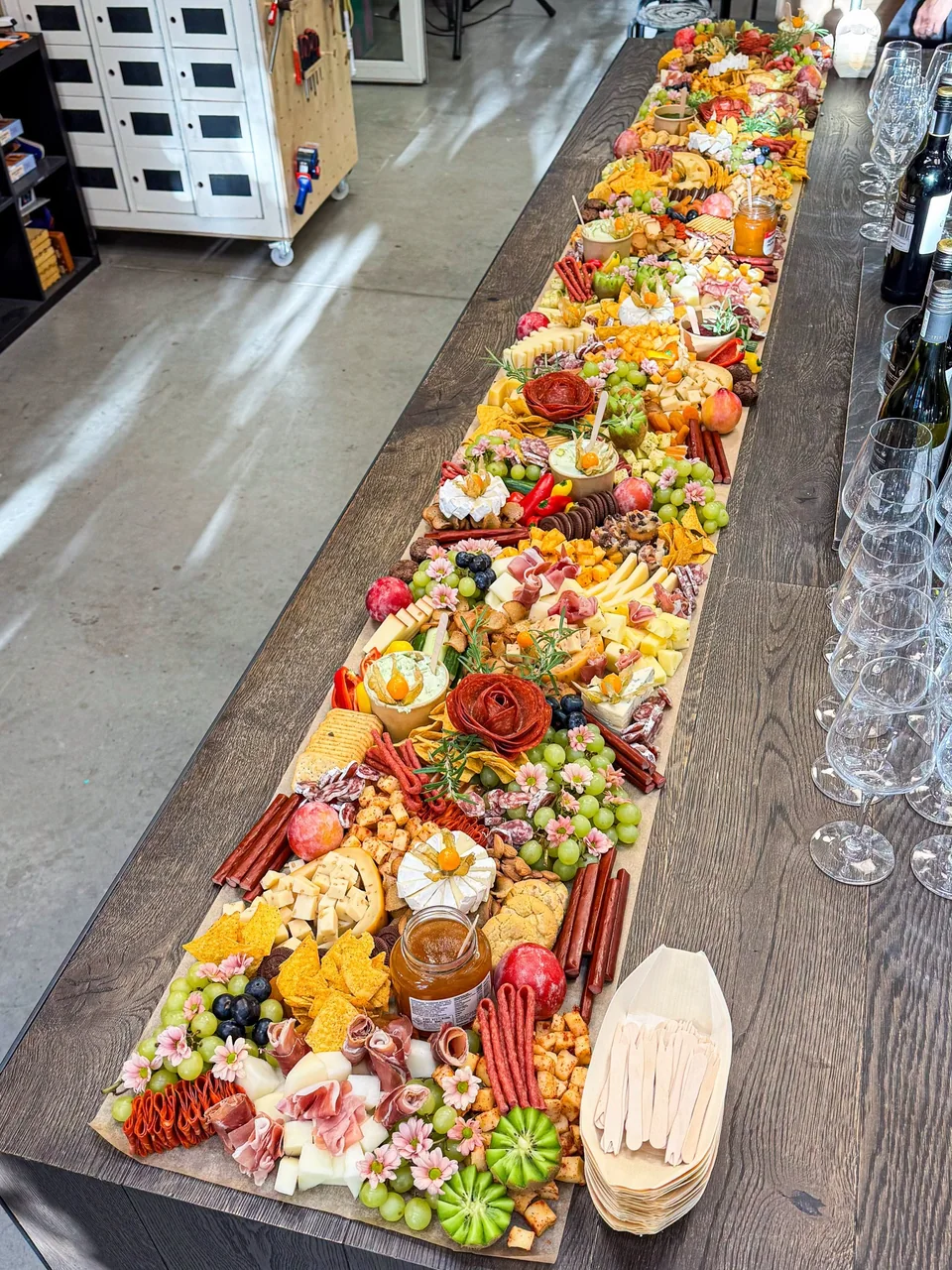
The best cocktail-hour grazing table solves three practical needs at once: it gives guests something to enjoy immediately, creates a natural point of interest, and supports the timing between the ceremony and reception.
Anchor the plan to the guest-ready time
Write down when the ceremony is expected to end, how long guests need to move to the cocktail-hour space, when the bar opens, and when dinner begins. Then identify the exact time the grazing table needs to be complete.
That guest-ready time should include a small practical buffer. Guests may leave the ceremony earlier than expected, especially when the cocktail-hour area is close by. The table should not still be under construction as the first people enter.
If photographs, room turnover, or transportation are happening at the same time, identify who can make decisions if the schedule changes. The grazing-table provider should have one reliable day-of contact rather than trying to reach the couple.
Define how much work the table should do
A grazing table before a full dinner does not need to act like dinner. Its role may be to welcome guests, offer variety, and keep the transition comfortable. If the cocktail hour is extended, dinner is light, or the table is the main food during that part of the event, say so clearly.
List any passed appetizers or additional stations offered at the same time. This prevents unnecessary overlap and helps the grazing presentation complement the complete plan.
Guest count alone cannot determine the right table. The length of cocktail hour and the timing of dinner are equally important context.
Place the table where guests can use it comfortably
Cocktail-hour spaces often ask several things of the same room: the bar opens, musicians begin, guests find seating, and staff may pass through. Do not place the grazing table in the only route between the ceremony and reception or directly beside a doorway.
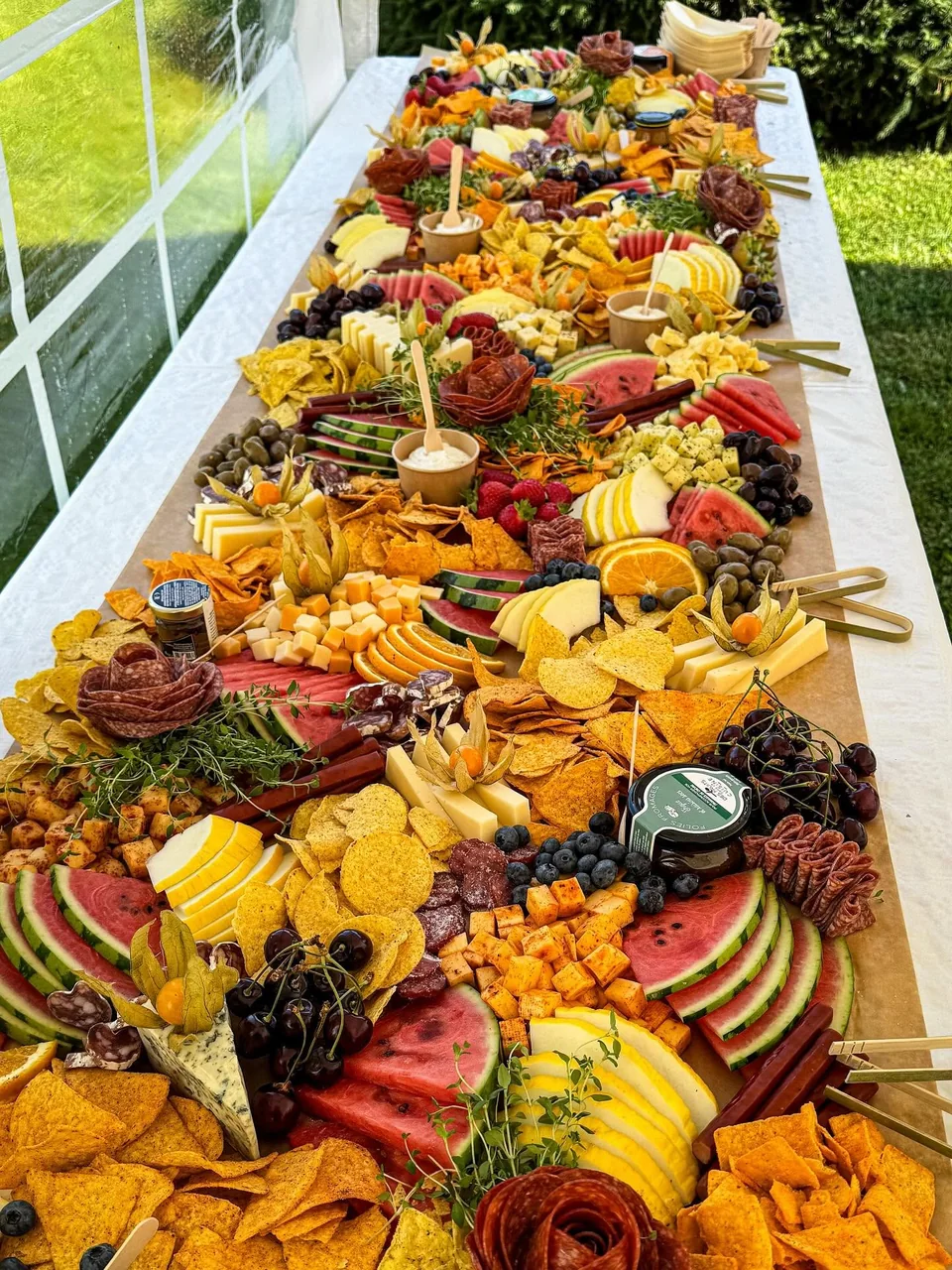
Look for a location that is visible but not obstructive. Guests should be able to approach, browse, serve themselves, and step away. For a larger group, access from more than one direction may be helpful. The venue floor plan and available table dimensions are useful early in the process.
Coordinate access and setup with the venue
Confirm that the venue permits an independent outside food vendor and ask about arrival times, service entrances, parking, stairs or elevators, preparation restrictions, and cleanup expectations. Outdoor spaces also need a weather plan and a clear decision-maker.
If the venue supplies the table, confirm its size and whether linens are included. If a backdrop, floral installation, escort-card display, or bar setup shares the area, the vendors should know the order in which each installation will happen.
Dietary needs should be discussed before the final plan is approved. Ask what can be accommodated and how it will be communicated to guests. Do not assume an open grazing presentation can be guaranteed allergen-free.
A useful cocktail-hour brief
- Wedding date and venue
- Estimated guest count
- Ceremony end time
- Guest-ready time for the table
- Cocktail-hour duration
- Dinner start time and format
- Other food served during cocktail hour
- Known dietary needs
- Available table and preferred placement
- Venue and day-of contacts
Mark any details that are still estimates. A clear working assumption is more useful than leaving the provider to guess.
Make the transition feel effortless
When the table is sized to its role, positioned for easy access, and completed before guests arrive, cocktail hour feels intentional. Guests see a finished welcome; the couple and planning team do not need to coordinate food, delivery, or setup in the middle of the wedding day.