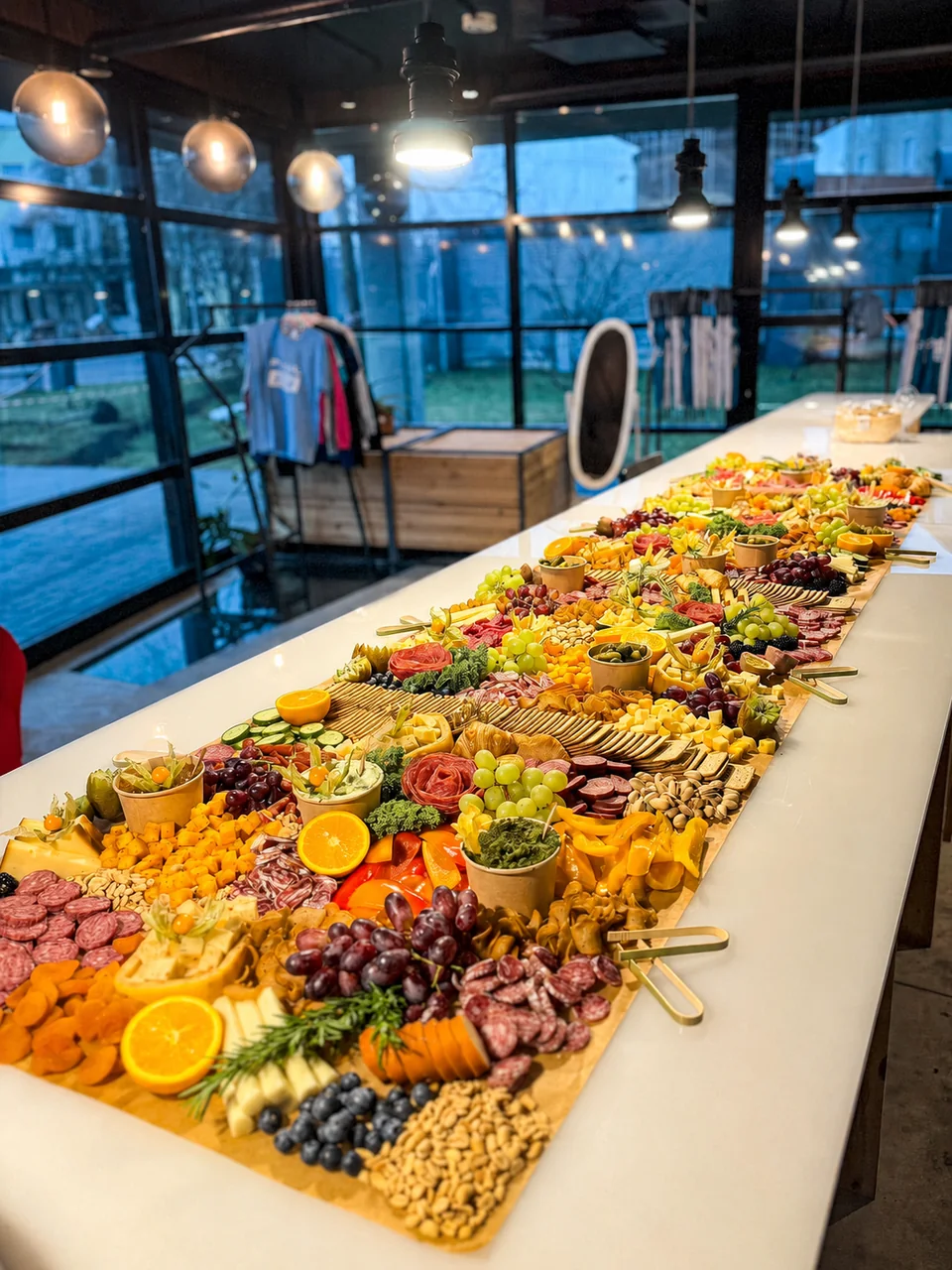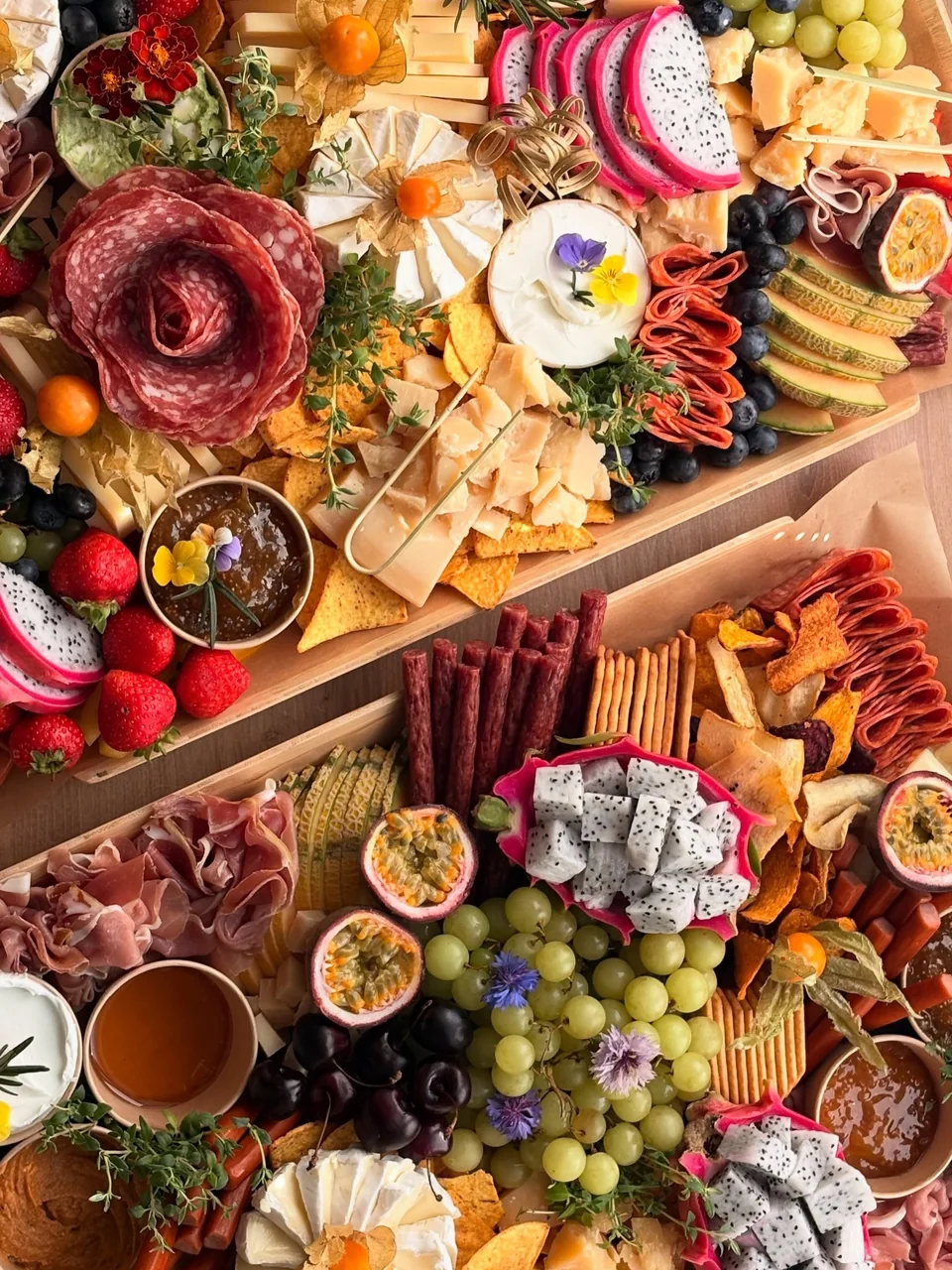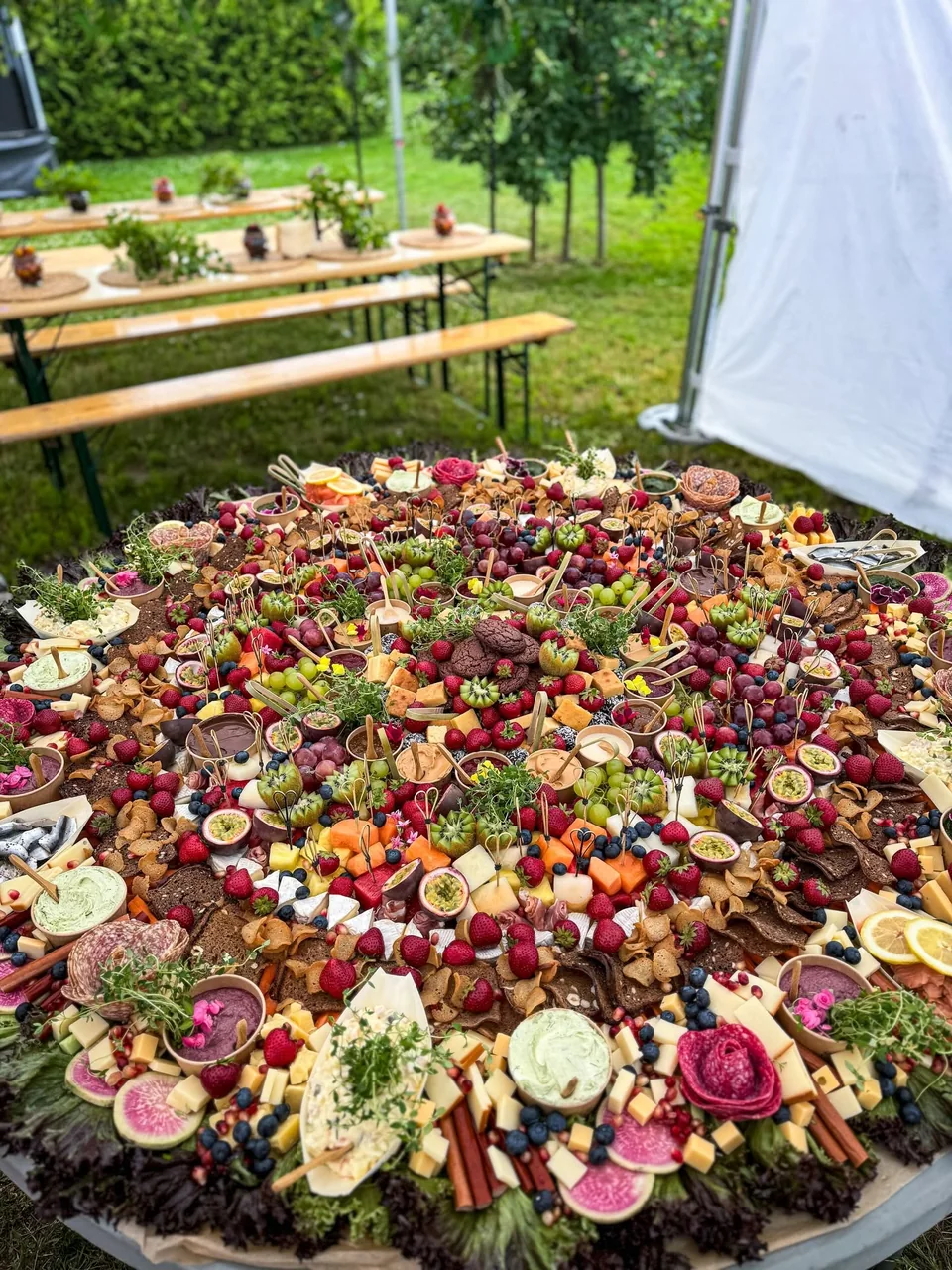
A useful grazing-table RFP defines the event outcome, not a guessed shopping list. Include date, address, event format, attendee count, food role, service window, other caterers, dietary communication, venue rules, load-in, available surface, styling direction, guest-ready time, staffing or handoff, cleanup, required documents, decision schedule, and a request for inclusions and exclusions.
Ask for an outcome, then invite the recommendation
An RFP that prescribes every ingredient can prevent a specialist from recommending a better format. An RFP that says only “charcuterie for 150” forces each provider to invent a different event. The middle ground is a precise operational brief.
Define what guests should experience, when it must be ready, how it fits the total food program, and what the venue permits. Ask each provider to explain the recommended service within those constraints.
Copy-and-send grazing-table RFP template
| RFP section | Information to provide | Response to request |
|---|---|---|
| Event overview | Purpose, audience, format, date, city, and exact venue | Recommended service format and major assumptions |
| Attendance | Estimated count, final-count date, arrival pattern, and any staff or vendors who eat | How the recommendation responds to count and flow |
| Food role | Welcome, cocktail hour, break, accompaniment, or primary grazing experience | Scope appropriate to that role |
| Schedule | Provider access, setup, photography if applicable, guest-ready time, service window, and teardown deadline | Arrival plan and handoff milestone |
| Other food and beverage | Other caterers, stations, meal, dessert, bar, and service times | How the table complements the program |
| Dietary communication | Known requests, collection method, deadline, and guest-labeling plan | Accommodations, limitations, and cross-contact communication |
| Venue operations | Outside-vendor permission, insurance, licensing documents, entrance, parking, loading, elevator, stairs, kitchen limits, and contact | Required access and information still needed |
| Surface and styling | Table dimensions, linen, room image or plan, adjacent installations, brand or wedding direction | Included display pieces and host-supplied items |
| Service model | Expected setup, staffing, monitoring, replenishment, pickup, and cleanup | Exact responsibilities before and after guest-ready handoff |
| Commercial terms | Proposal deadline, decision date, required documentation, billing contact, and contract process | Total, taxes and fees, payment schedule, cancellation terms, options, and exclusions |
Create a responsibility matrix before contracting
The planner, venue, provider, host, rental company, florist, and other caterer can all touch the same surface or timeline. Assign one owner to each operational item:
- Outside-food approval and required documents
- Table, linen, backdrop, and surrounding decor
- Parking, loading, security, and elevator access
- Room availability and final placement
- Guest tableware, serving tools, labels, and waste
- Dietary-request collection and guest communication
- Other food timing and vendor coordination
- Guest-ready inspection and day-of approval
- Monitoring, replenishment, leftovers, pickup, and cleanup
If a line has two owners, decide who leads. If it has no owner, the RFP is not production-ready.
Use weighted criteria instead of choosing from totals alone
| Evaluation area | Evidence in the proposal |
|---|---|
| Scope fit | The recommendation directly serves the stated event role. |
| Operational clarity | Arrival, setup, handoff, staffing, and cleanup are understandable. |
| Venue fit | The proposal acknowledges access, surface, timing, and documented restrictions. |
| Dietary communication | Accommodations and limitations are specific rather than absolute promises. |
| Visual fit | Styling scope and host-supplied elements are clearly separated. |
| Commercial clarity | Total, options, assumptions, exclusions, and change points are visible. |
| Communication | The provider identifies missing information and a practical next step. |
The quote-comparison worksheet can be used as the scoring cover sheet.
For donor receptions and auction programs, the nonprofit-gala planning guide assigns food, fundraising, sponsor, and venue responsibilities.
Turn the selected proposal into a production brief
After selection, replace estimates with confirmed facts and circulate one final brief. Include the signed scope, final count, exact room, floor plan or placement image, access instructions, contacts, guest-ready time, other vendor timing, dietary communication, and any approved changes.
Do not rely on the original RFP when the venue, schedule, or count has changed. The final brief should be short enough for the day-of team to use and specific enough to prevent improvisation.
Pretty Arrangements prepares, delivers, and completely styles premium grazing tables on-site. A planner or venue can use this RFP to compare that outcome with other service models without assuming the scopes are equal.